The Short Answer
What does a new roof
cost in Ontario?
Most Ontario homeowners spend between $7,500 and $15,000 on an asphalt shingle replacement for an average single-family home (1,500–2,000 sq ft of roof area). Metal roofing typically runs $15,000 to $30,000+. Cedar shake and slate sit above that. The number depends on three things: the material, the size and pitch of the roof, and how much hidden damage shows up once the old roof is off.
Material Breakdown
Asphalt vs. Metal vs. Premium
Asphalt Shingles — $4.50 to $7.50 / sq ft installed
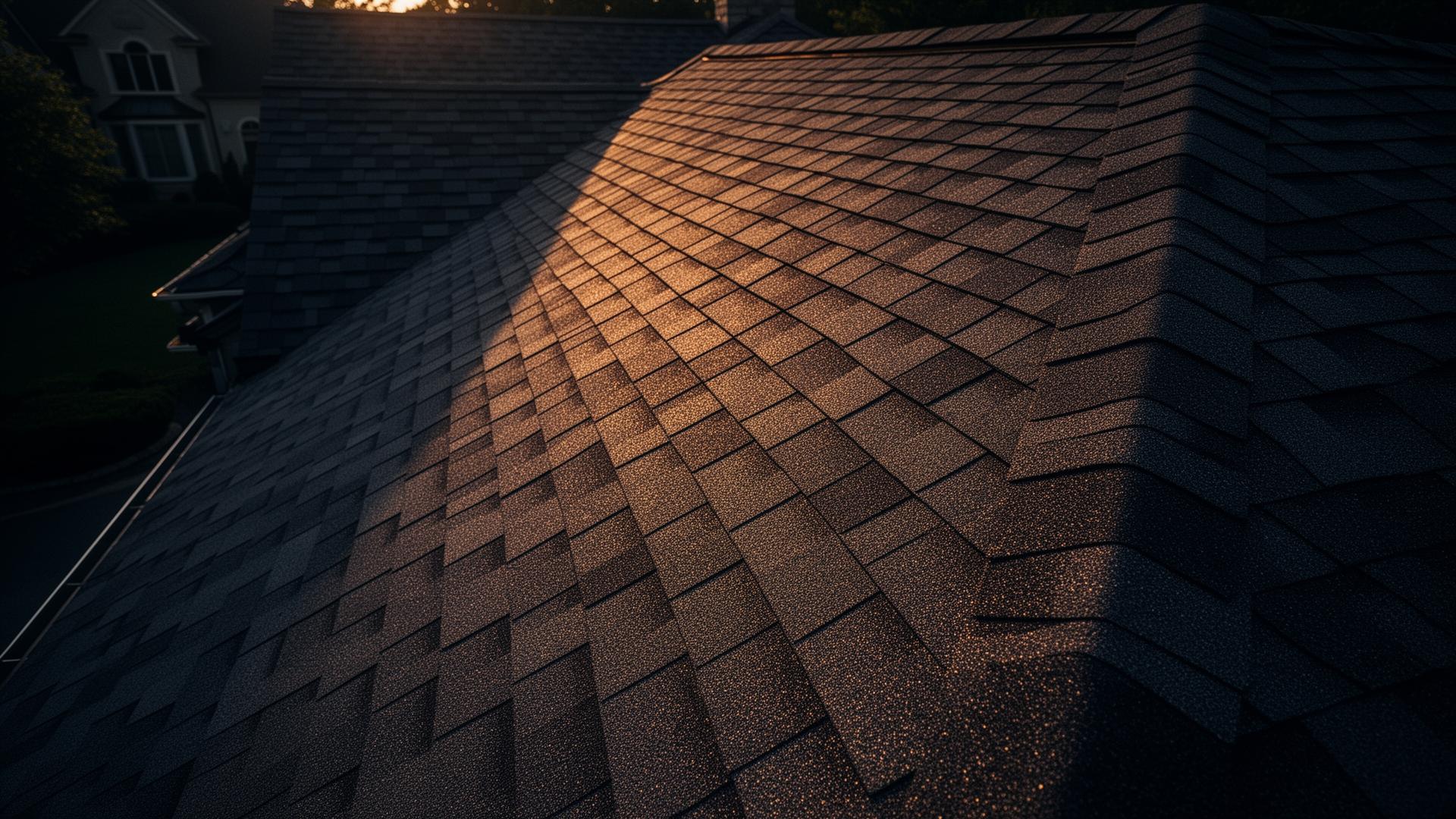
The default for ~80% of Ontario homes. A 1,800 sq ft roof lands between $8,000 and $13,500. Architectural (laminated) shingles cost slightly more than 3-tab and last 25–30 years instead of 15–20. Brands like GAF Timberline HDZ, IKO Cambridge, and Owens Corning Duration are common; the installed price difference between them is usually small — workmanship matters more.
Best for: most residential homes, tight budgets, faster installs.
Standing Seam Metal — $9 to $16 / sq ft installed
A 1,800 sq ft roof in standing seam steel runs $16,000 to $28,000. Lifespan is 40–70 years, snow sheds cleanly, and energy costs drop slightly because of the reflective finish. The upfront price is roughly double asphalt, but you're buying two-to-three roof cycles in one.
Best for: long-term owners, complex Ontario winters, modern aesthetics.
Cedar Shake & Slate — $15 to $30+ / sq ft installed
Premium territory — typically $25,000 to $50,000+ for an average home. Cedar gives a heritage look (30–40 year life with maintenance). Natural slate can outlast the house itself but adds structural weight that older roofs may not be rated for.
Best for: heritage properties, custom builds, distinct architectural intent.
Labour
What you're paying the crew for
Labour is roughly 40–60% of the total bill in Ontario — typically $2 to $4 per square foot, higher for steep or complex roofs. That covers tear-off and disposal of the old roof, deck inspection and any plywood replacement, underlayment, ice-and-water shield in valleys and eaves (mandatory per Ontario Building Code), drip edge, flashing, ventilation, and the install itself.
A reputable Ontario crew carries WSIB coverage, liability insurance, and factory certification with at least one major manufacturer. Quotes that come in 30%+ below the rest usually skip one of those — and you find out when a claim gets denied.
Price Drivers
Five factors that move the final number
01
Roof size (squares)
Roofers price by "squares" — one square = 100 sq ft. The average Ontario home is 18–25 squares. Bigger roof, more material and labour, linearly.
02
Pitch & complexity
A walkable 4/12 pitch installs fast. Anything over 8/12 needs safety harnesses, slower work, and adds 15–30% to labour. Multiple dormers, hips, and valleys cut and waste more material.
03
Decking condition
Rotten plywood under the old shingles is the #1 quote surprise. Honest contractors quote a per-sheet rate up front ($75–$120 per 4×8 sheet installed) so you know what to expect if any is found.
04
Tear-off layers
A single layer comes off quickly. Two or three layers (legal up to two in Ontario) means more labour, more dump fees, and a heavier disposal cost — often $500–$1,500 extra.
05
Ventilation & upgrades
Adding ridge vent, upgraded intake, new skylight flashing, or a chimney re-flash are usually a few hundred dollars each but extend the life of the entire system. Skipping them shortens it.
Sample Quotes
What real Ontario roofs cost
Bungalow, 1,400 sq ft, asphalt, single layer tear-off
Cambridge / Kitchener area
$7,500 – $10,500
2-storey, 2,000 sq ft, asphalt, moderate complexity
GTA / Hamilton area
$11,000 – $15,500
2-storey, 2,200 sq ft, standing seam metal
Ontario, install + tear-off
$22,000 – $32,000
Custom 3,200 sq ft, cedar shake, complex pitch
Heritage / rural Ontario
$45,000 – $65,000+
Ranges reflect typical 2026 Ontario pricing including materials, labour, tear-off, disposal, underlayment, flashing, and basic ventilation. HST not included.
Common Questions
Cost FAQ
Can I just put new shingles over the old ones?
Yes, Ontario Building Code allows up to two layers — and it saves $1,000–$2,000 in tear-off. But it hides rotten decking, voids most manufacturer warranties on premium shingles, and shortens lifespan. Most reputable contractors strongly recommend a full tear-off.
Is insurance going to cover any of this?
Only if the damage is from a sudden insured event — wind, hail, or fallen tree. Wear-and-tear and age aren't covered. We document storm damage clearly and work directly with adjusters when the claim is legitimate.
Is financing available?
For larger jobs we offer instalment options through partner lenders so a $14,000 roof doesn't have to come out of one cheque. Ask during the estimate.
When's the best time of year to replace a roof in Ontario?
Late spring through early fall (May–October) gives the best install conditions — shingles seal properly above ~10°C. Booking in winter or early spring usually means better scheduling and occasionally better pricing.